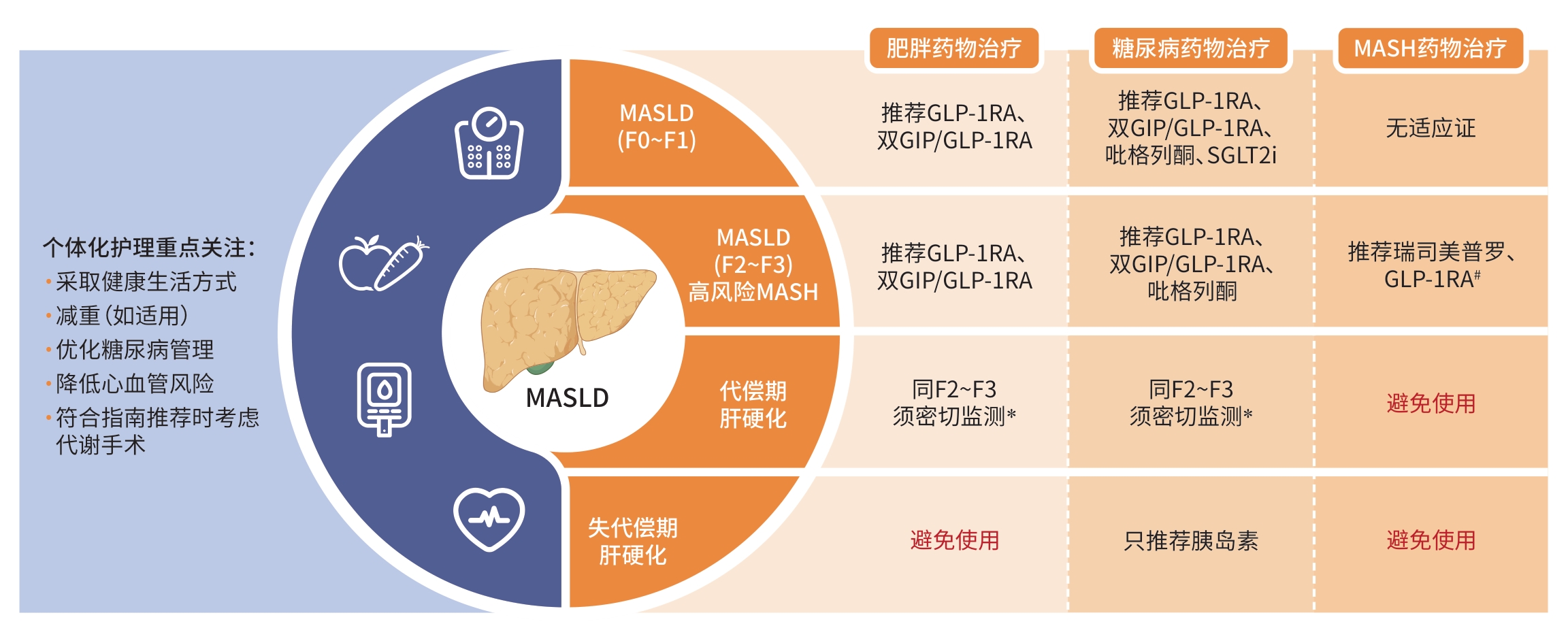
Metabolic dysfunction-associated steatotic liver disease (MASLD) poses significant threats to patients with diabetes, but there is still a lack of adequate understanding. About two-thirds of the patients with type 2 diabetes are comorbid with MASLD, which significantly increases the risk of liver cirrhosis, liver cancer, and liver-related mortality and is closely associated with the progression of cardiovascular diseases, extrahepatic malignancies, and diabetes. However, the screening and management of MASLD are not taken seriously in the diagnosis and treatment of diabetes. This consensus report highlights the need for liver fibrosis screening and risk stratification in patients with prediabetes and type 2 diabetes, especially those with obesity, covering the following aspects: the pathophysiological rationale for updated MASLD terminology, the strategies for risk stratification, current treatment regimens (lifestyle interventions and pharmacotherapy), long-term monitoring protocols, and the importance of multidisciplinary collaboration. In addition, it discusses the impact of alcohol consumption on liver health. By enhancing the awareness of MASLD among clinicians and patients and incorporating liver fibrosis screening into standard diabetes management, it is expected to improve the long-term prognosis of patients and reduce the incidence rate of liver cirrhosis.









 DownLoad: